Understanding Epigenetics and Childhood Trauma: Effects and Hope

Epigenetics and Childhood Trauma

What is Epigenetics?

Epigenetics is a science that studies how our genes can be turned on or off without changing the DNA itself. Think of genes like instructions that tell our body how to work. Epigenetics is like the switch that can turn these instructions on or off. This is important because it helps us understand how experiences, like childhood trauma, can affect us long after they happen.

What is Childhood Trauma?

Childhood trauma refers to scary or hurtful experiences that happen when we are young. This can include things like being abused, seeing violence, losing a loved one, or living through a natural disaster. These experiences can be very upsetting and can have long-lasting effects on our health and well-being.

How Epigenetics Works

Our genes are made of DNA, which has instructions for making proteins that help our body work. Epigenetics involves changes that affect how these instructions are read and used. Here are the main ways this can happen:

1. DNA Methylation: This is like adding a small chemical tag to the DNA. When this tag is added, the gene can be turned off, meaning it won’t make the protein it usually does.

2. Histone Modification: DNA is wrapped around proteins called histones. Changes to these proteins can make the DNA wrap tighter or looser, affecting whether the genes are turned on or off.

These changes can be influenced by our environment, including experiences like trauma.

How Childhood Trauma Affects Genes

When a child goes through trauma, it can cause changes in the way their genes work. These changes can affect how their body and brain respond to stress. For example, if a child is often scared or hurt, their body might start to produce more stress hormones. This can lead to changes in the genes that control stress responses.

One important gene involved in stress is the glucocorticoid receptor gene. This gene helps manage how we respond to stress. When a child experiences trauma, the DNA in this gene can get extra methylation tags, turning the gene off. This can make it harder for the child to handle stress later in life.

Effects of Epigenetic Changes

The changes in gene activity caused by trauma can have many effects on a child’s health and behavior. Here are some examples:

1. Mental Health: Children who experience trauma may be more likely to develop mental health issues like depression, anxiety, and PTSD (Post-Traumatic Stress Disorder). This is partly because the changes in their stress response genes make it harder for them to cope with stress.

2. Physical Health: These children may also have more physical health problems. For example, they might have higher risks for heart disease or diabetes. This happens because chronic stress can affect many parts of the body.

3. Behavior and Learning: Trauma can also affect a child’s behavior and ability to learn. They might have trouble paying attention in school, controlling their emotions, or getting along with others.

Can Epigenetic Changes Be Reversed?

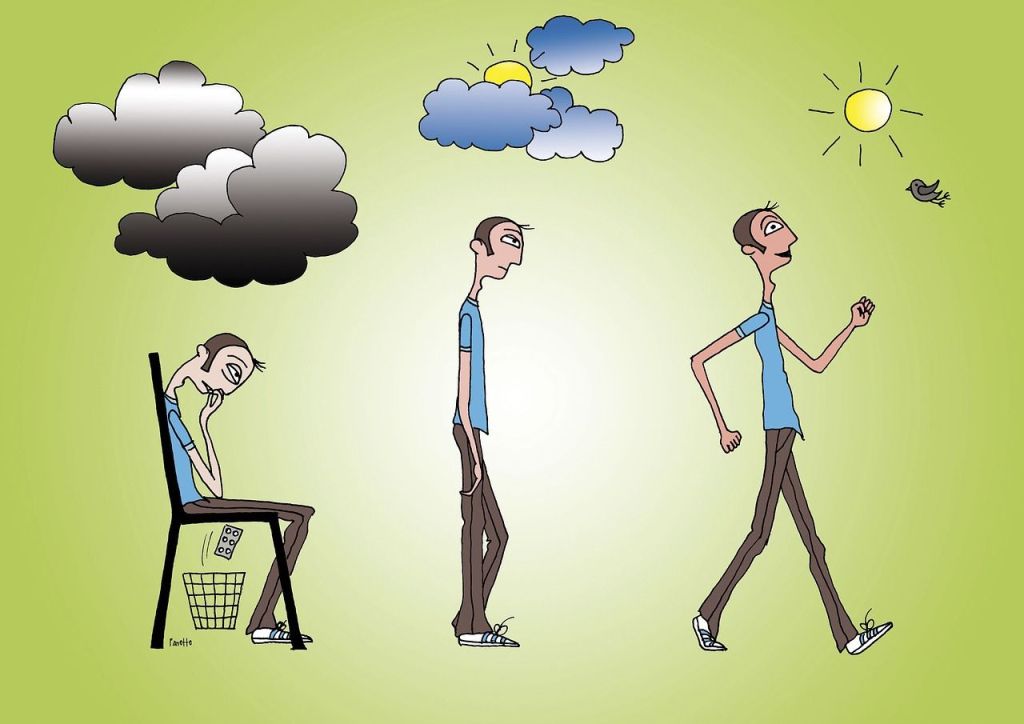
The good news is that epigenetic changes are not permanent. This means they can be changed back. Scientists are looking for ways to help people who have experienced trauma by reversing these changes.

One way to do this is through therapy. Talking to a therapist can help children and adults cope with their experiences and reduce stress. This can help reduce the harmful effects of trauma on their genes.

Another way is through healthy lifestyle choices. Eating a good diet, getting regular exercise, and having strong social support can all help improve gene activity. For example, certain nutrients, like vitamins and omega-3 fatty acids, can affect DNA methylation and help genes work better.

Future Research

Researchers are still learning about how epigenetics and trauma are connected. They hope to find new treatments that can help people who have experienced trauma. For example, scientists are studying drugs that can remove methylation tags from DNA or change how histones are modified. These drugs could help turn on important genes that have been turned off by trauma.

Conclusion

Epigenetics is a fascinating science that helps us understand how our experiences can change our genes. Childhood trauma can cause epigenetic changes that affect our health and behavior for a long time. But these changes can be reversed, offering hope for healing and recovery. By learning more about epigenetics, scientists are finding new ways to help people overcome the effects of trauma and live healthier, happier lives.
The Role of Genetics in Mental Disorders

The Role of Genetics in Mental Disorders

Mental health disorders affect millions of people worldwide, with conditions ranging from anxiety and depression to schizophrenia and bipolar disorder. Understanding the origins and development of these disorders is a complex task that involves the interplay of various factors, including environmental influences, lifestyle choices, and biological predispositions. Among these, genetics plays a significant role, shaping the vulnerability and resilience to mental disorders. This article delves into the role of genetics in mental health, exploring how genetic factors contribute to the development of mental disorders, the mechanisms involved, and the implications for treatment and prevention.

The Genetic Basis of Mental Disorders

Research in the field of psychiatric genetics has made significant strides in uncovering the genetic underpinnings of mental disorders. Studies indicate that mental disorders often run in families, suggesting a hereditary component. Twin studies, family studies, and adoption studies have been pivotal in highlighting the genetic links. For instance, if one identical twin has schizophrenia, the other twin has a 48% chance of developing the disorder, compared to a 17% chance in fraternal twins. Such findings underscore the influence of genetics, though they also indicate that non-genetic factors play a crucial role.

Specific Mental Disorders and Their Genetic Links

1. **Schizophrenia**: Schizophrenia is one of the most studied mental disorders in the context of genetics. Genome-wide association studies (GWAS) have identified several genetic loci associated with an increased risk of developing schizophrenia. Notably, variations in the COMT gene, which affects dopamine metabolism, and the DISC1 gene, involved in brain development, have been linked to the disorder. However, no single gene is responsible for schizophrenia; rather, it is the result of interactions among multiple genes and environmental factors.

2. **Bipolar Disorder**: Bipolar disorder also shows a strong genetic component. Family studies reveal that first-degree relatives of individuals with bipolar disorder have a significantly higher risk of developing the condition. Genetic studies have identified several risk genes, including CACNA1C and ANK3, which are involved in neuronal signaling. These findings suggest that disruptions in neural communication may underpin the mood swings characteristic of bipolar disorder.

3. **Depression**: Major depressive disorder (MDD) has a moderate heritability, with genetics accounting for about 40% of the risk. The serotonin transporter gene (5-HTTLPR) has been extensively studied for its role in depression, especially its interaction with environmental stressors. While the results are mixed, it is clear that genetic predisposition, coupled with life stress, can trigger depressive episodes.

4. **Autism Spectrum Disorder (ASD)**: Autism has a high heritability, estimated at around 80-90%. Genetic studies have identified numerous genes associated with ASD, many of which are involved in synaptic function and neural development. Mutations in genes such as SHANK3, which is crucial for synapse formation, have been linked to the disorder. The complexity of autism’s genetic architecture reflects its diverse clinical presentations.

Mechanisms of Genetic Influence

Understanding how genetic variations lead to mental disorders involves exploring several mechanisms:

1. **Gene-Environment Interactions**: Genes do not operate in isolation but interact with environmental factors to influence mental health. For example, individuals with a genetic predisposition to depression may be more likely to develop the condition if they experience significant life stressors. This interaction complicates the genetic landscape of mental disorders, as the same genetic variant might have different effects depending on the environmental context.

2. **Epigenetics**: Epigenetic modifications, such as DNA methylation and histone modification, can regulate gene expression without altering the underlying DNA sequence. These modifications can be influenced by environmental factors and, in turn, affect mental health. For instance, childhood trauma can lead to epigenetic changes that increase the risk of developing mental disorders later in life.

3. **Polygenic Risk Scores**: Mental disorders are typically polygenic, meaning they involve the combined effect of many genes, each contributing a small amount to the overall risk. Polygenic risk scores (PRS) aggregate the effects of numerous genetic variants to estimate an individual’s genetic predisposition to a disorder. While PRS is not yet a tool for clinical diagnosis, it holds promise for identifying individuals at high risk and guiding preventive interventions.

Implications for Treatment and Prevention

Understanding the genetic basis of mental disorders has significant implications for treatment and prevention. Personalized medicine, which tailors treatment based on an individual’s genetic profile, is an emerging field that could revolutionize psychiatric care. For example, pharmacogenomics studies how genetic variations affect individual responses to medications, which could help in prescribing the most effective drugs with the fewest side effects.

Additionally, genetic research can aid in the development of new therapeutic targets. By identifying the biological pathways involved in mental disorders, researchers can design drugs that specifically modulate these pathways. For instance, targeting specific neurotransmitter systems implicated in genetic studies could lead to more effective treatments for conditions like depression and schizophrenia.

Preventive strategies can also benefit from genetic insights. Individuals identified as genetically at risk for certain mental disorders could be monitored more closely and provided with early interventions to mitigate the development of the disorder. This approach could involve lifestyle modifications, psychological support, and stress management techniques tailored to the individual’s genetic profile.

Ethical Considerations

The growing role of genetics in mental health raises several ethical considerations. Genetic testing for mental disorders must be approached with caution to avoid stigmatization and discrimination. There is a risk that individuals with a high genetic risk could face social or occupational disadvantages. Moreover, the psychological impact of knowing one’s genetic predisposition to a mental disorder can be significant and must be carefully managed.

Informed consent and genetic counseling are crucial when conducting genetic testing for mental disorders. Individuals should fully understand the implications of their genetic information and receive support in interpreting the results. Privacy concerns must also be addressed to ensure that genetic data is protected and used ethically.

Conclusion

The role of genetics in mental disorders is a rapidly evolving field that holds great promise for enhancing our understanding and treatment of these complex conditions. While genetic factors significantly contribute to the risk of developing mental disorders, they interact intricately with environmental influences and epigenetic mechanisms. As research advances, the potential for personalized medicine and early interventions grows, offering hope for more effective management and prevention of mental health issues. However, it is essential to navigate the ethical landscape carefully, ensuring that genetic advancements benefit individuals and society without causing harm or discrimination.

(Author note: Regarding my post last week when I announced my plans to post every Friday…I have changed this schedule to post every Monday when possible instead. Have a wonderful week!)

Bipolar Disorder: What is it and What to do about it

Understanding Bipolar Disorder: Symptoms, Types, Causes, and Treatment Options

Bipolar disorder, formerly known as manic-depressive illness, is a complex mental health condition characterized by extreme mood swings. These mood swings include emotional highs (mania or hypomania) and lows (depression). This disorder affects millions of people worldwide and can significantly impact daily life, relationships, and overall well-being.

This blog post will explore the symptoms, causes, and treatment options for bipolar disorder to provide a comprehensive understanding of this challenging condition.

Symptoms of Bipolar Disorder

Bipolar disorder is characterized by two main phases: manic (or hypomanic) episodes and depressive episodes. Each phase has its distinct symptoms and can vary in intensity and duration.

Manic Episodes

During a manic episode, individuals may experience the following symptoms:

  • Elevated Mood: Feeling unusually happy, optimistic, or irritable.
  • Increased Energy: Having a surge of energy and activity levels, often leading to overcommitment and exhaustion.
  • Reduced Need for Sleep: Feeling rested after only a few hours of sleep or not needing sleep at all.
  • Grandiosity: Having an inflated sense of self-esteem or confidence.
  • Talkativeness: Speaking rapidly and excessively, often jumping from one topic to another.
  • Racing Thoughts: Experiencing a rapid flow of ideas and thoughts.
  • Impulsivity: Engaging in risky behaviors such as excessive spending, reckless driving, or unprotected sex.
  • Distractibility: Having difficulty focusing or maintaining attention.

Hypomanic Episodes

Hypomania is a milder form of mania and includes similar symptoms, but they are less severe and may not significantly impair daily functioning. However, hypomania can still lead to risky behaviors and should be taken seriously.

Depressive Episodes

During a depressive episode, individuals may experience the following symptoms:

  • Persistent Sadness: Feeling sad, empty, or hopeless most of the day, nearly every day.
  • Loss of Interest: Losing interest or pleasure in activities once enjoyed.
  • Fatigue: Experiencing a lack of energy or feeling constantly tired.
  • Sleep Disturbances: Having trouble sleeping or sleeping too much.
  • Changes in Appetite: Significant weight loss or gain, or changes in appetite.
  • Concentration Issues: Difficulty concentrating, making decisions, or remembering things.
  • Feelings of Worthlessness: Experiencing excessive guilt or feelings of worthlessness.
  • Thoughts of Death or Suicide: Having recurrent thoughts of death, suicidal ideation, or attempts.

Types of Bipolar Disorder

Bipolar disorder is divided into several types, each defined by the pattern and severity of mood episodes:

Bipolar I Disorder

Characterized by at least one manic episode that lasts for at least seven days or is severe enough to require hospitalization. Depressive episodes typically occur as well, lasting for at least two weeks.

Bipolar II Disorder

Involves at least one hypomanic episode and one major depressive episode. Hypomanic episodes are less severe than manic episodes but still are noticeable.

Cyclothymic Disorder

Involves periods of hypomanic symptoms and periods of depressive symptoms lasting for at least two years (one year in children and adolescents). Symptoms are less severe than those in Bipolar I or II but still cause significant distress.

Other Specified and Unspecified Bipolar and Related Disorders

Includes bipolar-like disorders that do not fit the specific criteria for Bipolar I, II, or Cyclothymic Disorder but still involve significant mood swings and disruptions.

Causes and Risk Factors

The exact cause of bipolar disorder is not fully understood, but several factors are believed to contribute to its development:

1) Genetic Factors: Bipolar disorder tends to run in families, suggesting a genetic component. Individuals with a family history of bipolar disorder are at a higher risk of developing the condition.

2) Biological Factors: Brain structure and function abnormalities have been observed in individuals with bipolar disorder. Neurotransmitter imbalances, particularly involving serotonin, dopamine, and norepinephrine, are also implicated.

3) Environmental Factors: Stressful life events, trauma, and significant changes in life can trigger mood episodes in susceptible individuals. Environmental factors may interact with genetic predispositions to increase the risk of developing bipolar disorder.

4) Other Risk Factors:
– Age: Bipolar disorder typically emerges in late adolescence or early adulthood.

– Substance Abuse: Drug or alcohol abuse can exacerbate symptoms and increase the risk of developing bipolar disorder.

Treatment Options

Bipolar disorder is a lifelong condition that requires ongoing management. Treatment typically involves a combination of medication, psychotherapy, and lifestyle changes.

1) Medication

– Mood Stabilizers: Medications such as lithium, valproate, and lamotrigine help stabilize mood swings and prevent episodes of mania and depression.

– Antipsychotics: Atypical antipsychotic medications like quetiapine, olanzapine, and risperidone can help manage symptoms of mania and depression.

– Antidepressants: These are sometimes used to treat depressive episodes but are typically combined with mood stabilizers to avoid triggering mania.

– Antidepressant-Antipsychotic Combinations: Medications that combine antidepressant and antipsychotic properties, such as Symbyax (fluoxetine and olanzapine), can be effective for some individuals.

2) Psychotherapy

– Cognitive Behavioral Therapy (CBT): Helps individuals identify and change negative thought patterns and behaviors, improving mood regulation.

– Interpersonal and Social Rhythm Therapy (IPSRT): Focuses on stabilizing daily rhythms and routines to prevent mood episodes.

– Family-Focused Therapy: Involves family members in treatment to improve communication, support, and understanding of the disorder.

3) Lifestyle Changes

– Regular Sleep Schedule: Maintaining a consistent sleep routine can help stabilize mood.

– Healthy Diet: Eating a balanced diet can improve overall well-being and mood stability.

– Exercise: Regular physical activity can reduce symptoms of depression and anxiety.

– Stress Management: Practicing relaxation techniques such as mindfulness, meditation, and yoga can help manage stress.

Living with Bipolar Disorder

Living with bipolar disorder can be challenging, but with proper treatment and support, individuals can lead fulfilling lives. Here are some tips for managing the condition:

1) Educate Yourself: Learn about bipolar disorder to better understand your symptoms and treatment options.

2) Build a Support Network: Surround yourself with supportive friends, family, and mental health professionals.

3) Monitor Your Mood: Keep track of your mood changes and triggers to identify patterns and prevent episodes.

4) Follow Your Treatment Plan: Adhere to prescribed medications and therapy sessions to maintain stability.

5) Set Realistic Goals: Break tasks into manageable steps and celebrate small achievements.

6) Practice Self-Care: Prioritize activities that promote physical, emotional, and mental well-being.

Conclusion

Bipolar disorder is a complex and challenging mental health condition, but with the right treatment and support, individuals can manage their symptoms and lead fulfilling lives. Understanding the symptoms, causes, and treatment options is essential for those affected by bipolar disorder and their loved ones. If you or someone you know is struggling with bipolar disorder, seek professional help to develop an effective treatment plan and improve quality of life.

Connection with Others Who Have Mental Health Issues

In an attempt to build up the Write into the Light community, I am committing to post a blog every Monday when possible. I want to get back to providing informative and engaging articles on mental health topics.

It has been difficult for me over the last several years because one of my medications has greatly diminished my creative processes. Additionally, I am no longer on another medicine that used to help me focus and concentrate.

Therefore, I have decided to research topics and enlist the help of an AI app to help me create reliable, organized, and detailed content. I want to be completely transparent about this because I want to maintain the trust and faith you have shown me by your support of my writing over the past 13 years.

If you have any questions or requests for specific topics, please let me know in the comments. Thank you so much!

What It Is Like to Have Borderline Personality Disorder

Image by Alana Jordan from Pixabay

“Borderline personality disorder is a mental illness that severely impacts a person’s ability to manage their emotions. This loss of emotional control can increase impulsivity, affect how a person feels about themselves, and negatively impact their relationships with others.”

– National Institute of Mental Health

Symptoms of Borderline Personality Disorder (BPD) include the following.

  • Fear of abandonment
  • Unstable relationships
  • Unclear or shifting self-image
  • Impulsive, self-destructive behaviors
  • Self-harm
  • Extreme emotional swings
  • Chronic feelings of emptiness
  • Explosive anger
  • Feeling suspicious or out of touch with reality

I have some of these symptoms but not all of them all of the time. I do fear my significant other leaving me through death. At this point we have enough history together that I don’t believe he will leave me willingly like I used to.

My self-image is in constant flux. I don’t know if I am a good person or a bad person much of the time. I often question my state of mind – whether I am mentally unstable or not, and whether my assessment of reality is true or not. I constantly seek reassurance from my significant other on these matters because I don’t trust my own judgement.

I used to have unstable relationships and impulsive self-destructive behaviors, including self harm, when I was younger. I still have the compulsion to self-harm when I become intensely overwhelmed by my emotions but I rarely give into it as it passes very quickly.

I have extreme emotional swings often within the same day and sometimes within the same hour! I don’t usually understand why this is happening or where the trigger is coming from. Although mindfulness helps me realize that it almost always has something to do with my thoughts – the story I am telling myself about events happening outside of me and within.

I do have chronic feelings of emptiness, often feeling like I have no purpose in life; constantly fighting feelings of loneliness and boredom.

I have problems with explosive anger when I feel like people have been unfair or unjust with myself or others. I have learned to curtail my anger in most other situations but those in which I become judgemental and intolerant my rage can be destructive to myself and my significant other who has to bear the brunt of my complaining and lamenting.

I am suspicious and question people’s motives ALL. OF. THE. TIME. I take things personally and tend to put myself at the center of the universe which makes everyone’s actions about ME instead of what they truly are which is about themselves and what they are dealing with or bringing to the situation based on their own beliefs, values, and histories. This is something that pains me most days and it is quite the hard habit to break.

I practice mindfulness, including in meditation; I pray to my higher self which helps me gain insight into my feelings and behaviors. I do movement therapy including stretching, yoga poses, and Tai chi. I deal with this mental illness along with several others in addition to chronic pain, so I suppose I am doing fairly well in spite of these things. I am always looking to do better, however, so if you have any suggestions please leave them in the comments and tell me if you relate to anything I said in this article. Thank you.

New Issue of Turtle Way Journal is Out

Turtle Way is Write into the Light’s online literary art journal featuring poetry, prose, and art from people with mental illness and those who love them.

Check it out!

How I Feel During a Depressive Episode

When I am depressed the world turns gray. I feel lethargic, weighed down, and numb. I spend a lot of time laying in bed, awake sometimes, but mostly sleeping. I like the curtains drawn. I lose interest in all things that used to bring me joy such as being with family and friends, engaging in my hobbies, and taking care of myself by showering and eating. When I have no appetite I am definitely depressed.

For me, being depressed is a type of torture that is hard to explain. It’s having no joy or interest in life which creates a kind of boredom and hopelessness deep in my heart all the while being stuck in this extremely slow passage of time where a minute feels like a day and I just don’t know how I am going to get through so many of them.

What does it feel like when you’re in a depressive episode ?

How I Feel During a Manic Episode

I have bipolar type 2 disorder, so as opposed to becoming manic I experience something called hypomania. How I feel during a hypomanic episode can vary, but most often I feel driven to accomplish many creative tasks at one time. I will write, paint, do photography, and even rearrange the furniture in the house when I am hypomanic, sometimes all in the same day.

I tend to require less sleep during a hypomanic episode. I also feel agitated, irritable, and impatient during this time. My temper is shorter and I seem to have more conflicts with others than normal.

Some people enjoy their hypomania because they feel energized and creative. I do not enjoy the heavy push to accomplish things and the irritability towards other people and the world in general. For me, hypomania is just as uncomfortable and distressing as depression only in different ways.

How do you feel during a manic episode?

Times When I Feel Most Understood in Terms of My Bipolar Disorder

The times I feel most understood in terms of my bipolar disorder are when I read #bipolarclub posts on Twitter. I don’t think people can really understand what it is like to have bipolar disorder unless they have it themselves. When people talk about their symptoms and their struggles with bipolar disorder, I feel so understood and less alone in my own issues in dealing with it.

I also have a sibling who has bipolar disorder and she and I have had many good chuckles over how similar we are in our reactions to life in light of our bipolar disorder. It’s important to connect with other people who are going through the same symptoms as you are, so that you don’t feel like you’re the only one experiencing them. For me, connecting with others who have bipolar disorder makes me feel like I’m a part of something valid and that I’m not just “crazy.”

When do you feel most understood in terms of your bipolar disorder? Tell me about it in the comments. Also, follow me on Twitter.

New Issue of Turtle Way is Out

Check it out! Art, poetry, photography…all in support of those with mental illness.

https://turtleway.wordpress.com