Turtle Way is Write into the Light’s online literary art journal featuring poetry, prose, and art from people with mental illness and those who love them.
Turtle Way is Write into the Light’s online literary art journal featuring poetry, prose, and art from people with mental illness and those who love them.

Everyone has the potential to grieve losses in their life. Those with bipolar disorder don’t have a right to say they grieve more than others. However, they are at risk for extreme mood episodes as a result of a significant loss in their life, making their grief dangerous and potentially life threatening.
The loss doesn’t have to be a death. It can be a job, a relationship, or a tragedy without death like a severe illness or injury. It doesn’t have to involve someone who is personally known but can be related to a collective loss or tragedy of a famous person or someone in their community.
When a person with bipolar disorder experiences a loss, at a minimum, daily tasks may fall by the wayside. Worst case scenario the person becomes completely immobilized, ignores their most basic tasks such as hygiene and nutrition and starts having thoughts of harming him or herself.
What are some other ways you can or have coped with loss in your life?
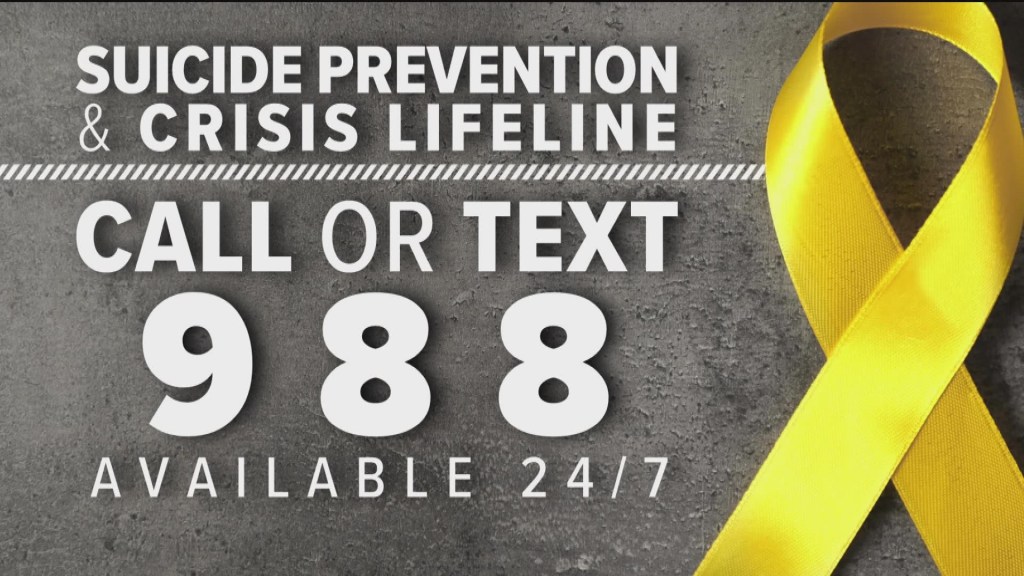
988 is now available in the United States to contact if you are in a mental health, substance use, or suicide crisis! Please pass this information along.

Check out the great poets and artists and all the other fun mental health stuff at https://turtleway.wordpress.com

In honor of World Bipolar Disorder Day I am going to discuss numerous things bipolar disorder has given to and taken away from me. I was diagnosed with rapid cycling bipolar type 2 disorder 15 years ago. I knew nothing about the disorder or how it would affect my life for the next 15 years. While there are positives that have come about due to having bipolar, the negatives far outweigh them.

Since being diagnosed with bipolar disorder, I have tried various ways of staying gainfully employed. I have worked full-time outside of the home and part time from home for a healthcare employer, as well as part time outside of the home and from home for myself. In each situation my bipolar symptoms, especially anxiety (social, general and panic), anger/irritability, and depression, have left me unable to cope with the demands.
I even started a photography business since photography is my favorite hobby, but the business side of it and dealing with people was more than I could handle and bipolar symptoms were triggered. So, I had to quit or continue to suffer the negative health consequences.
Bipolar medications have caused me to gain at least 20 pounds over the last 10 years. Couple that with the fact that my previous career involved a lot of exercise that I no longer get and the weight keeps piling on. My rapid cycling moods make sticking to an at-home exercise routine or diet regimen nearly impossible.
Unfortunately, my bipolar disorder has negatively affected my children. There have been times where, because of anxiety and depression, I have been unable to get out of bed to be there for them or to attend their activities, and even worse, times where I have been hurtful with my words to them due to hypomanic irritability. I worry that they have picked up their own anxieties from growing up in a household filled with mine.
Bipolar anxiety has left me with an extremely sensitive nervous system that becomes overstimulated with what is typical input for most people. For me, the noises are always too loud, lights too bright, smells too strong, and people too close. I have to take one or two additional medications to cope with all of these stimuli.
Maintaining mood stability requires that I adhere to fairly strict schedules with my sleep, medications, food intake, and social calendar. I go to bed at the same time each night. A rare late night out can wreak havoc on my mood for days afterwards.
I take my medications on a strict schedule. Forgetting a dose can cause troubling side effects such as light-headedness and nausea.
I eat three meals a day because going too long without eating can affect my moods greatly.
Finally, I have to plan ahead for social events. Any last minute plans or changes to plans can send me into a tailspin.
Before going on certain bipolar medications, I was prolific at writing, especially poetry and mental health blogs. I also painted a lot. I believe antipsychotics dried up those creative wells for me. I just don’t have the same drive and imagination for it anymore.
I will often enthusiastically start projects such as writing a book, starting a new blog, beginning an exercise program, creating a house cleaning schedule, starting a new diet, reading a book, or learning a new skill, but after a few weeks my mood will shift and I will abandon whatever it is I began. It’s a pattern I’ve had for nearly my whole life, starting long before I even knew I had bipolar disorder.
Some of the bipolar medications I take make it difficult for my body to regulate its temperature. Therefore, I’ve had to give up many once enjoyed outdoor activities when the weather is too hot, such as spending the day on the lake with friends, watching the kids’ baseball games, lounging for hours at the pool, going for walks, and doing yard work.
The irritability that comes along with bipolar mood fluctuations has caused me to do or say things that most people might think but never act on and this has caused rifts in some of my friendships.
I also think that because of bipolar disorder my inhibitions can be lower at times in a way that makes it feel like I can’t control what comes out of my mouth and I find myself blurting out comments or answers that are inappropriate.
Paranoia has also caused me to embarrassingly ask friends if they are mad at me or don’t like me anymore which is just awkward for everyone.
With bipolar disorder’s mood changes and the secondary emotions that can come with it, such as anger, irritability, and anxiety, I am always on edge and wondering what is coming next. Everything internally feels so unpredictable that I can barely ever relax and feel secure about my health. Even when things are going well I’m always waiting for the other shoe to drop. Lasting peace of mind seems to forever elude me.

Because I am home most days by myself, I am able to spend a lot of time learning, reading, writing, reflecting on things, and participating in hobbies, support groups, spiritual groups, and going to as many doctors’ appointments as I need to to reach towards my fullest potential in all areas of my health. If I did not have bipolar disorder, I would be working full time and not have the time to do all of these things.
My kids have had multiple physical and mental issues over the years that have required many daytime doctor and therapy visits that I would have not been able to do if I was working a full-time job. Bipolar disorder has forced me out of the work place thereby allowing me to be home for them during some of the most critical and crucial times of their lives.
Sometimes you can’t imagine what others are going through unless you’ve been through it yourself. I have been through a lot of trauma and heartache including hospitalizations due to suicidal behavior thanks to bipolar disorder. You just can’t help others in the same way when you haven’t experienced these depths of despair as you can when you have. I have something valuable to offer others because of my trials.
What are some things bipolar disorder has taken from you and/or given to you? Share your experiences in the comments.
Dialectical Behavior Therapy’s (DBT) premise is that two seemingly opposite things can be true at the same time. For example, my parents did the best they knew how when raising me and they negatively affected my emotional development.
DBT trains the mind to think with a good balance between reason and emotion, calling this the “wise mind.” It also can keep you out of all or nothing or black and white thinking. There are many shades of grey with everything in life.
There are four main tenets of DBT. They are Distress Tolerance, Mindfulness, Emotional Regulation, and Interpersonal Skills.
Distress Tolerance includes an idea called “Radical Acceptance” where you fully acknowledge the present moment reality. This does not equal condonement. Radical acceptance places you in a position of being able to make a plan to elicit changes in your life because you cannot change anything if you aren’t fully engaged in the acceptance of what currently is.
Distress Tolerance skills include distraction and self-soothing. Distract by engaging in pleasurable, non-destructive activities, focusing on helping others, doing chores, counting breaths or anything you can see, or distract by removing yourself from the situation.
Self-soothe any of your senses: smell, sight, sound, taste and touch. Use any input that makes you feel good that is non-destructive and not harmful to you or anyone else.
Above all, make sure to use the “Rest” technique in any situation that is upsetting to you at the start. Relax (R), Evaluate the facts (E), Set an intention (S), Take action (T). The intention and take action steps could include some ideas from the distress tolerance skills.
More to come on DBT skills…

Everyone feels sad at some point in their life but not everyone gets depressed. Usually sadness is a result of some specific external event or reason going on in someone’s life from something as serious as the death of a loved one to something less serious like failing an important exam. This is not to say that some things that cause sadness such as these cannot lead into depression if it goes on for a long period of time.
If you feel like you are experiencing depression rather than sadness, contact your medical professional as soon as possible. There are many treatment options available for people with depression including medications and psychotherapy and counseling.

Comorbidities in people with mental illness means they have another disorder in addition to their mental illness. This is quite common. I, for example, have bipolar disorder and chronic migraine.
Comorbidities do not have to be a mental disorder paired with a physical disorder. They can also be two or more mental disorders or two or more physical disorders.
Having more than one disorder has its challenges. For example, a person with both multiple sclerosis and depression would be treated for both conditions, but it would be important to take into consideration the overlap between medications that would be prescribed by different doctors.
For this reason, people with comorbid disorders should take good notes of their symptoms, medications and their side effects, and anything they and their doctors discuss at each appointment so that unwanted interactions are avoided. It is also important to have excellent communication with all providers so that everyone knows what everyone else is doing.
If you have comorbidities, you must be a persistent advocate for yourself to get the proper treatment plan in place to treat all of your disorders so that you can reach and maintain optimal health, both physically and mentally. By following the aforementioned suggestions you can be on your way to better health no matter how many comorbidities you have.
Depression is a clinical disorder that is very treatable. It is more than feeling sad for a short period of time and can increase feelings of helplessness, hopelessness, and worthlessness for days, weeks or months at a time. Clinical depression also keeps you from living your life the way that you used to before you became depressed. There’s no cure for depression, but your symptoms may go away over time and you may become stable again with treatment and medical care.
Depression symptoms include:
You may also:
Not everyone experiences all of these symptoms and some people may experience other ones not listed.
You should take anyone who thinks or talks about hurting themselves very seriously. In the US call 800-SUICIDE (800-784-2433); 800-273-TALK (800-273-8255); for hearing impaired, call 800-799-4889. Or you can contact a mental health professional. If you intend to or have a plan to attempt suicide, go to the emergency room immediately.
Do you identify with any of the symptoms of depression? If so, please talk with your doctor or mental health professional about them right away.

To take medication for a mental illness is a very personal choice. For me, medication has allowed me to live a life with some stability in my moods and has helped me to be a better wife, mom, and friend.
I have severe symptoms that do not subside without medication because I believe my brain is imbalanced with regards to certain neurotransmitters, such as Serotonin, Dopamine, and Norepinephrine. There are side effects, such as drowsiness and weight gain, but these need to be weighed against the benefits to decide if the medicine is worth taking or not.
Some people can manage their symptoms with non-medication interventions such as counseling, lifestyle changes, diet, prayer and meditation, exercise, and journaling/keeping mood charts to stay on top of their mental health status.
It is up to the individual whether or not to treat their mental illness with medication and it is none of everyone else’s business to criticize what they decide to do.
Any thoughts? Join the conversation and leave a comment.
 Write into the Light