A new issue of Turtle Way, Write into the Light’s online mental health journal, was just published. Check it out here!

A new issue of Turtle Way, Write into the Light’s online mental health journal, was just published. Check it out here!

For many people faith can be a wonderful aid in combating some of their mental health issues. Along with good medical and self care, prayer and spiritual meditation can go a long way in providing emotional health.
One of the most frequent commands used in the Bible is “be not afraid.” For those with anxiety disorders, faith in this directive may release people from some of their fears. The faith that all will be well in the end can sometimes be enough to get them through a moment or hour or even a day, if all other factors, such as medication and self care, are in working order.
Depression is a mood disorder that by definition brings people to a state of hopelessness. Someone with great faith may be able able to ward off the despair long enough to get help out of the depressed state before it gets dangerously bad, for faith breeds hope and hope combats depression.
It is best not to wait until you are experiencing mental illness symptoms to practice acts of faith. Engaging in daily spiritual activities will make it much easier for you to use your faith to your advantage when mental illness symptoms take hold.
Personally, I read scripture and meditate on it daily. I pray daily. I attend two different spiritual discussion groups weekly and I read spiritual books on a regular basis.
You don’t have to do a lot of things. Start off by doing one thing consistently. Even something as simple as a gratitude prayer said daily can make a huge difference on your mental health.
How does your faith affect your mental health?
Turtle Way™ is Write into the Light’s online creative arts magazine showcasing the work of individuals suffering and recovering from mental illness. Its mission is to offer experience, strength and hope to those who are living with mental illnesses.

Each issue of Turtle Way™ may include poetry, photography, artwork, and prose (including quotes, meditations, opinion pieces and essays) from individuals with mental illness and/or those who love them.
It has been quite some time since an issue has been published, but I would like to put another one together soon. So, please check out the submission guidelines here if you are interested in being a part of this project.
Do you ever find that noises are just too loud? Lights are too bright? Scents that don’t seem to bother others are noxious to you? You’re always either cold or hot? You find yourself exhausted after spending time with people? If so, you may be what psychologist, Elaine Aron, calls a “Highly Sensitive Person (HSP).”

HSP have super sensitive nervous systems that pick up on external stimuli more easily than most other people’s do. They also have a hard time filtering out or ignoring cues in their environment that are irrelevant to their situation.
For example, when having a conversation with someone at a party, a HSP may become distracted by the other conversations going on around them instead of being able to tune them out. Or they may not be able to concentrate on reading a book in a quiet room with a clock ticking softly nearby.
Cluttered countertops, the noise level of a cheering crowd at a sporting event, a crying baby, a windy day, a sunny day, a hot day, tight clothes, or a dirty bathroom can all send a HSP over the edge into an anxiety attack or severe agitation.
HSP also tend to over respond emotionally to situations. They can easily pick up on the emotions of others and can even feel drained or stressed out by negative emotional content portrayed on television or in movies.
Because of their decreased ability to regulate their emotional response to stimuli, HSP often have mental health disorders such as bipolar, depression, and anxiety.
All of these things can help a Highly Sensitive Person thrive. Are you a HSP? How so? What helps you cope?

Do you feel depressed during the winter months? Do you get the post-holiday blues that seem to hang on through February? If so, you may suffer from SAD or Seasonal Affective Disorder.
SAD is a mental illness that consists of clinical depression which manifests during the winter months when the daylight hours are shorter. Researchers report that the decreased exposure to sunlight during the winter months could lead to an increase of melatonin and a decrease in serotonin, both of which are brain chemicals that need to be at appropriate levels to keep an individual’s mood healthy.
Couple that with colder temperatures, which often keeps people indoors more than usual and you have a recipe for fatigue, decreased activity, decreased motivation, sadness, increased appetite, sleep disturbances, and poor concentration.
For many people, light therapy is an effective way to combat SAD. Sitting in front of a specially designed light box for a brief period of time each day can affect the brain chemicals that affect your mood. It is best to follow your doctor’s recommendations regarding light therapy, and special precautions need to be taken for those individuals with bipolar disorder since light therapy can induce mania.
Maintaining an active social calendar can help ward off SAD during the winter months. It is easy to want to stay inside the home where it is safe and warm, but that leads to isolation which increases depression symptoms. Make a plan to put regularly scheduled activities on your calendar and stick to them no matter how you feel.
Attend church once a week or more. Plan a weekly lunch or dinner or coffee date with friends or family members. Join a writers’ group or other hobbyists’ group that meets weekly or bi-weekly. Go to weekly support groups. Take a continuing education class at the local college. Join a gym. Take an exercise class or cooking class or photography workshop at the local community center; anything to put yourself in contact with other people with whom you can socialize and form bonds.
Some people need medication to help manage their SAD symptoms or need adjustments made to their current medications. If you feel symptoms of SAD, which are listed below, for more than a week or two, contact your doctor for help.
Don’t let SAD symptoms go on and on, thinking they will go away on their own. SAD is a serious disorder that needs professional treatment. Call your doctor for help. And if you are currently having thoughts of suicide, call the National Suicide Prevention Lifeline at 1-800-273-8255.
Symptoms of a panic attack include:
There is usually a precipitating factor or something that has caused or is causing the panic attack to occur. Or fear about future events or a future incident can incite an attack.
One way of dealing with it is to distract yourself from thinking about said event by reading a book, watching a show or playing a game. Draw, paint, listen to music or go for a relaxing walk. Find something to distract youself from your anxiety producing thoughts.
Another way to cope is to take a short nap. Sometimes your brain just needs a break and it is okay to give it one. Just make sure not to overdo this one as it can become chronic and unhealthy.
Talk to a trusted friend or professional to get the thoughts and feelings out of your head. Releasing them decreases the power they have over you. Also, problem solving ways to reduce anxiety is way more successful when you work on it with someone else. Keeping it to yourself only intensifies it. Trying to figure it out on your own only makes the anxiety worse.
When possible don’t.do.anything. Panic attacks are the body’s response to overstimulation. Resting in a quiet calming room may help tremendously. Experiment with what works best for you and take the time and breaks you need to let your system return to normal.
Panic attacks are scary. Uncomfortable at best. Not your fault. Be kind to yourself when they come. Get through them the best you can and move on. Talk to a healthcare professional if they become chronic or significantly interrupt your life or cause you serious adverse effects. There is medication and other treatment options that can help. You are not alone.
~ Guest post by Jackie Cortez
According to the World Health Organization, 1 in 4 people suffer from mental illness. And while treatment is available, it’s often underutilized.
For many people, mental illness can be something that troubles them periodically in life but never something that incapacitates them. For others, mental illness can be completely debilitating. What’s important is recognizing mental illness and treating it with the best approach for people so they may live healthy, productive lives.
While there are social stigmas attached to mental illness, it is the self-stigma that can be the most dangerous to a person’s overall well-being. A person with a mental illness may feel ostracized from his peers and turn to outward or inward destructive behaviors to cope. These may materialize as bursts of aggression, depression, or isolation or as reckless actions including sexual promiscuity and alcohol abuse and drug abuse. A mental illness makes it difficult to see past the negative aspects of today to the bright and beautiful possibilities of tomorrow. It is estimated that more than 90% of suicides are committed by persons with a diagnosable mental disorder. Approximately half of these individuals will struggle with drug or alcohol abuse before their death.
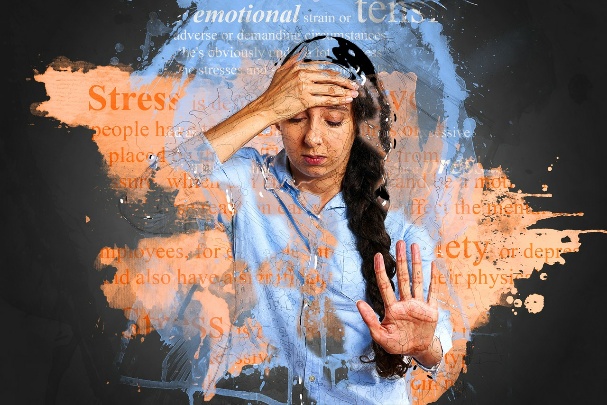
If you’re struggling with a mental illness, you should take extra care to take care of yourself. Stress takes a toll on the body and can cause headaches, insomnia, muscle tension, upset stomach, and fatigue. These symptoms’ impact can be lessened through protecting your physical health. It is easier to maintain good mental health habits when your body – your foundation – is strong.
It is important to exercise daily. This may be done individually or in a group setting as exercise provides the body with natural stress relief hormones. Maintaining a balanced diet devoid of processed foods, including sugars, additionally goes a long way toward whole-person health. Sleep is essential and most adults require between seven and nine hours each night; a brief 30 minute nap in the early afternoon can also offer a person with a mental health disorder a bit of a boost. Most importantly, drugs and alcohol should be avoided completely as, despite common belief, these substances actually exacerbate stress and depression.
A mental illness will not go away overnight. However, many people find they are less affected when they practice these good mental health habits:
Negative emotions happen and it is important not to dwell on them or pass judgment. Understand that it is how you react to these emotions that matters. Recognize them but don’t get caught up in the moment.
Even in your deepest, darkest hour, positive things are going to happen in your day. It could be as small as a glimpse of the mountains or fresh ocean breeze. When they happen, pause and enjoy. It may help to keep a journal and write down one good thing that happens each day. You can go back and read about your happy days when you’re feeling sad or stressed to remind yourself that not everything in life is bad.
There are virtually countless support groups in every city in every state for people struggling with mental illness. You can perform a quick online search for groups in your area. Know that you cannot solve things on your own and there are people out there who, like you, are dealing with invisible and taboo issues. Spending time with others will not only help you get things off your chest but will keep you connected to the world around you.
If you or someone you love is dealing with a mental health issue, such as depression or drug abuse, get help. Always remember there is no shame in asking for assistance from others, be they medical professionals, family, or friends. Tomorrow is a new day and a new opportunity to look at the world with a fresh set of eyes.

~ Jackie Cortez works with The Prevention Coalition to identify and highlight resources on every aspect of substance abuse, ranging from prevention to addiction treatment. Her mission is to use her writings to help prevent drug and alcohol abuse.

When it comes to mental illness, often our moods are “all or nothing.” We are either on top of the world or in the pit of despair. If we are not careful, our behaviors can reflect our emotions, leading to chaos in our lives and problems in our relationships with others.
When it comes to the emotional ups and downs of mental illness, we can fight the temptation to act on them by remembering the phrase “Keep the Pace.” In other words, let’s keep doing what we do when we are stable. Let’s keep showering and going to bed at a decent hour. Let’s keep eating as healthy as we can and exercising moderately. Let’s keep our social activities up, but not excessive, and our verbal and physical boundaries intact and closely moderated. Let’s maintain an appropriate number of projects, neither dropping them all due to inertia nor starting too many.
When I feel myself slipping into either an elevated or a depressed mood state, I will remind myself to “keep the pace” and not feed into the insanity of my disorder by changing my behaviors too drastically. Just like a marathon runner, who neither sprints nor ceases to run at all, I must pace myself to participate fully in the race, and then I will know peace.
In the largest MRI study on people with bipolar disorder, researchers determined that the areas in the brain that control inhibition and emotion – the frontal and temporal regions – are significantly different than those of people without the disorder.

The study was led by the University of Southern California Stevens Neuroimaging and Informatics Institute at the Keck School of Medicine of USC: ENIGMA (Enhancing Neuro Imaging Genetics Through Meta Analysis). It involved 76 centers and included 26 different research groups around the world.
The researchers measured the MRI scans of 2,447 adults with bipolar disorder and 4,056 healthy controls. They also looked at the effects of commonly used prescription medications, age of illness onset, history of psychosis, mood state, age and sex differences on cortical regions.
Some findings suggest those with a history of psychosis have greater deficits in the affected regions and there are “different brain signatures in patients who took lithium, anti-psychotics and anti-epileptic treatments.”
Further studies will look at how these medications affect brain measures and subsequently, modify symptoms and outcomes for patients. “This new map of the bipolar brain gives us a roadmap of where to look for treatment effects,” said Thompson, an associate director of the USC Stevens Neuroimaging and Informatics Institute at the Keck School of Medicine.
I think it is awesome that they are finding physical proof of the nature of bipolar disorder; that it is not some myth or personality flaw or weakness or moral shortcoming. These findings can give people like me the validation they need to know that they are not “crazy,” but ill.
Having a brain that doesn’t function normally is no different than having a pancreas that doesn’t function normally (diabetes.) Granted the symptoms of bipolar disorder may affect those around the individual more severely than the symptoms of diabetes, but the general analogy is still the same.

I have been reading thoughts online and hearing opinions in real life regarding a Netflix series about a teenage girl who dies by suicide, and what questions this show raises about the media’s responsibility for portraying triggering, and even instructional, scenes on how to take one’s own life. In response to this, I would like to refer to an article published this month by Lisa Firestone, PhD in Psychology Today, who states:
“Guidelines on the media’s portrayal of suicide include never glamorizing or sensationalizing it in any way, period. Specific means for suicide should not be shown or related. Any depiction of suicide should include a story of a survivor who is living proof that the suicidal state can be temporary…In addition, any discussion of suicide should include resources for people who may be in crisis or are worried about someone they know. Media should also include a list of warning signs for suicide, which can help people identify when someone’s at risk.”
I feel distressed because so many preteen and young teenagers are watching this show, which has a ‘MA’ rating. I feel worried because kids with mental illness are watching this and possibly being triggered into self-harming behaviors and emotional anguish. And, God forbid, if any one of them is moved to end their life because this show’s message gives them the final reason to do it or the final way to go about doing it.
Don’t get me wrong…It is important to talk about suicide to raise awareness and get people who need help to open up and reach out for it, but like Firestone says, without following proven recommendations on how to report on suicide, “we risk contributing to individuals’ suicide risk and even creating contagion, especially among teens.”
Please remember, the suicide state is often passing and temporary. It can be a trance-like state that can leave people with diminished awareness of the fact that if they wait things out they may regret even considering suicide at all. Many people who have made serious attempts often have these types of regrets, because like everyone says, things do get better. Nothing ever stays the same. Don’t give up just before things change!