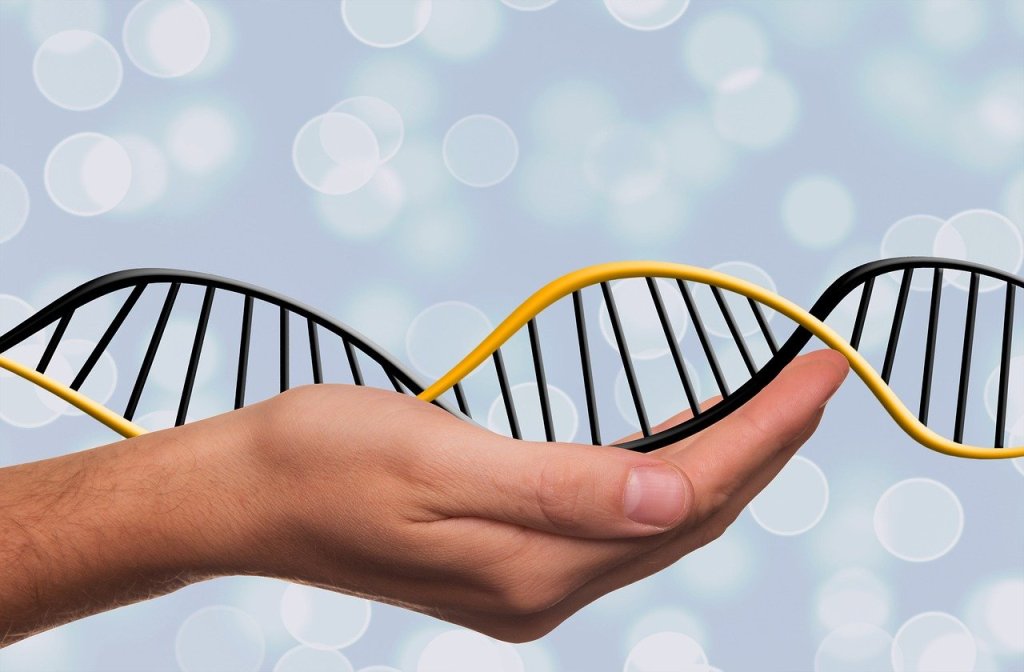
How to Know When to Change Up a Medication

How to Know When to Change Up a Medication

There is a sure-fire easy answer to this: Talk to your doctor about it! I know many people, especially us mental illness people-types, who think decreasing or taking ourselves off of a psych med is a good idea, especially if we are manic and feeling good. In the past, every time I became hypomanic I would tell my doctor I wanted to try a med reduction and she would say, no the meds are working that is why you feel good. Then we figured out that wanting to come off a med was actually a sign of hypomania for me.

Fast forward to today…Life is becoming very different for me. I have been in some intense therapy, healing from childhood trauma and neglect, for over a year now and finally getting really good at setting boundaries with others and making major changes in my life that more fully align with my values and what I truly want to do and not want to do. Because of this, my mental health is such that I no longer need one of my sleep medications. I am actually sleeping ten times better than I used to with it, when I wasn’t as mentally healthy.

I am still on several other psych meds and am talking with my doctor about the next one to wean off of. She is letting me take the lead on which one to try because one is not necessarily more important than another.

I am weighing out my options based on how hard they are to wean off of, what their current risks and side effects are, and how much they affect my physical health. I know what I want to try because of its current risks and side effects but it happens to be the most difficult one to come off of. I tried once before, many years ago, and the irritability it caused affected my relationships. Granted, I believe now that I cut the dose down too much as I was doing it without my doctor’s supervision (which I said at the beginning of this post is a big no-no.)

With my doctor’s help this time I will tell her my concern and hopefully, we can find a way to minimize the irritability and get me off of this med in particular.

Have you tried weaning off a psych med with or without your doctor’s supervision? I’d love to hear about your experience.

P.S. In my last post, I wrote about having a goal of writing blogs of 600+ words. That blog post was about 200 words and this one is a little over 400. I am making progress!

Situational versus Clinical Depression and Tools to Cope

Is Your Depression Situational or Clinical?

I am going through a bit of a thing that has me worried and anxious and frankly, feeling depressed. I have dealt with clinical depression in the past — the kind that appears out of nowhere and lingers for reasons I couldn’t name. Most of my experiences, though, have been situational: postpartum after childbirth, losing a career, seasonal shifts, and maybe even this current situation.

Medically, situational depression is often labeled an “adjustment disorder with depressed mood.” It commonly eases with time, talk therapy, and the slow work of adjusting to life’s changes. But the frightening truth is that unresolved situational depression can tip into major depressive disorder, which is more severe and harder to shake.

That possibility is what has me worried now: I’m anxious about whether this sadness will pass — and anxious about being anxious. If that sentence made sense to you, you and I might be good friends.

The hard work is noticing patterns, asking for help early, and treating each episode with kindness and care. Small steps—talking, sleeping better, seeing a clinician—can keep situational sadness from becoming something darker. You don’t have to face it alone. Reach out today for help.

P.S. This post is about 200 words long. My goal is to write 600+ word blog posts. Unfortunately, my psych meds (one in particular) has zapped my creative writing ability. I’ll write more about this next time. Stay tuned!

P.P.S. What kind of depression have you experienced and what tools did you use to cope with it?

Give Me the Best Mental Health Blogs You Follow

I started this blog in 2011 (or 2012. It has been so long I can’t remember for sure.) At first I was very active but as the years wore on I got away from posting regularly and reading other blogs as well.

I checked a year or two ago and found that the people I had formed relationships with here on WordPress are not active on their blogs anymore at all. I miss them even though we only conversed via comments on one another’s blogs.

I would like to get back to writing about mental health topics on a regular basis. The thing that makes it difficult is that I don’t want to make it like a diary and tell the details of my personal life, but strictly writing in a research article style doesn’t feel right either. I will have to work on finding a balance between the two.

I also want to form some new blogger relationships which will help me stay connected with the topics I am interested in. So, please give me some good recommendations for mental health WordPress blogs. And if you have one, all the better!

Thanks for being a subscriber to my site, Write into the Light.

Until next time,

WiL (she/her)

Something I Just Learned About the Chemical Imbalance Theory of Mental Illness

The chemical imbalance theory of mental illness—often simplified as the idea that conditions like depression or anxiety are caused by a deficiency or excess of certain neurotransmitters (such as serotonin or dopamine)—is now considered an oversimplification rather than a full explanation.

What We Know:

  1. Neurotransmitters Play a Role – Brain chemicals like serotonin, dopamine, and norepinephrine are involved in mood regulation, and medications that alter these chemicals (like SSRIs) can help some people. However, mental illness is not just about low serotonin; many other factors are involved.
  2. More Than Just Chemistry – Research suggests that mental health conditions involve a complex interplay of genetics, brain structure, life experiences (trauma, stress), inflammation, and social factors. Chemical imbalances may be one piece of the puzzle but not the whole story.
  3. SSRIs and Other Medications Work, But Not Always as Expected – While antidepressants help many, they don’t work for everyone, and their effects can’t be fully explained by simply “correcting” a chemical imbalance.
  4. Current Understanding – Most experts now view mental illness through a biopsychosocial model, which considers biological, psychological, and social influences.

Conclusion:

The chemical imbalance theory is outdated as a standalone explanation but still plays a role in understanding mental health. A more accurate view is that mental illness arises from a mix of biological, psychological, and environmental factors rather than just neurotransmitter levels alone.

Did you know this? What are your thoughts?

Some Lessons from Brené Brown that Helped Me on my Healing Journey

I am wildly involved in self-improvement lately. I want to grow and heal. Sometimes I’ll do an AI search on topics that I believe will motivate me and expand my knowledge in a way that will enhance my well-being and give me those feel-good vibes my spirit is constantly seeking.

This week I searched to see what author and speaker Brené Brown had to teach me.  Here is what I learned (spoiler – it is really good stuff!):

Brené Brown is widely known for her research on vulnerability, courage, shame, and empathy. Here are some core teachings from her work:

1. The Power of Vulnerability

Vulnerability is not a weakness; it’s the birthplace of courage, creativity, and connection.

Embracing vulnerability helps us live more authentic and fulfilling lives.

2. Shame and Its Impact

Shame thrives in secrecy, silence, and judgment.

To combat shame, practice self-compassion and share your experiences with trusted people who offer empathy.

3. Cultivating Courage and Authenticity

True courage involves showing up and being seen, even when the outcome is uncertain.

Authenticity means letting go of who we think we’re supposed to be and embracing who we truly are.

4. Connection and Belonging

Humans are wired for connection; we need relationships to thrive.

Belonging comes from being accepted as you are, not from trying to fit in.

5. The Practice of Gratitude and Joy

Gratitude is a key practice for cultivating joy.

People who have a strong sense of joy actively practice gratitude, even during difficult times.

6. Wholehearted Living

Wholehearted living involves engaging with life from a place of worthiness.

It includes cultivating qualities like resilience, creativity, and a sense of humor.

7. Rumbling with Tough Topics

Engage in difficult conversations (“rumbles”) with clarity and curiosity.

This involves unpacking emotions and assumptions in a constructive way.

8. Leadership

Leaders should be courageous and willing to have tough conversations.

Vulnerability is key to building trust and fostering innovation in teams.

I hope these lessons help you on your healing journey, too.

Inner Child

Invisible
I am
No cloak
I just
Am

Something
Unseen
An extra
Unnoticed

Childhood
Done
Unto
Me.

And now
I see you
And I love you
She says
To me.

I see you and I love you!

I see her
Reflection
Addressing
Me.

Navigating Daily Routine Challenges in Mental Illness

Image by Gerd Altmann from Pixabay

Maintaining a Daily Routine with Mental Illness is Difficult

As I was considering what topic to write about this week, my mind was drawing a blank.  I felt unmotivated and fatigued, like I didn’t have the energy needed to stick to my routine of posting an article every Monday.  I wanted to just forget about it but then I asked myself why it is so hard for me to stick to any kind of routine. 

For example, some days I am up and productive but on many others I am laying in bed a lot.  I don’t shower each day. I exercise sporadically. I clean my house when the mood strikes me. So I did some research and found that sticking to a routine can be challenging for individuals with mental illness due to several factors:

1. Symptoms: Conditions like depression, anxiety, and bipolar disorder can cause fluctuations in energy, motivation, and mood, making it difficult to maintain consistency.

2. Cognitive Challenges: Disorders such as ADHD and schizophrenia can affect concentration, memory, and organization, complicating routine adherence.

3. Medication Side Effects: Some medications used to treat mental illnesses can cause fatigue, drowsiness, or other side effects that interfere with daily activities.

4. Stress and Overwhelm: Managing symptoms and treatment can be overwhelming, making it hard to focus on a structured routine.

5. Lack of Support: Limited support from family, friends, or healthcare providers can make it harder to stick to routines and manage symptoms effectively.

My research advises that “individualized strategies, professional support, and self-compassion are crucial in developing and maintaining a routine.”  That is not so helpful, in my opinion, and I am wondering if you maintain a routine and what helps you do so?

Self-Compassion and Healing: A Guide to Working Through Childhood Trauma

Tips on taking it easy on yourself when working through childhood trauma:

Taking it easy on yourself, especially in the context of working through difficult emotions and experiences, involves practicing self-compassion and self-care. Here are some steps to help you be gentler with yourself:

1. Acknowledge Your Feelings: Recognize and accept your emotions without judgment. Understand that it’s okay to feel what you’re feeling and that your emotions are valid.

2. Practice Self-Compassion: Treat yourself with the same kindness and understanding you would offer to a friend. Remind yourself that everyone struggles and makes mistakes.

3. Set Realistic Expectations: Avoid setting overly high or unrealistic expectations for yourself. Break down tasks into smaller, manageable steps and celebrate your progress, no matter how small.

4. Take Breaks: Allow yourself to take breaks and rest. Rest is crucial for mental and emotional well-being.

5. Engage in Self-Care: Prioritize activities that nourish and rejuvenate you. This can include exercise, healthy eating, hobbies, spending time in nature, or simply relaxing.

6. Limit Self-Criticism: Notice when you’re being self-critical and gently challenge those thoughts. Replace negative self-talk with positive affirmations.

7. Seek Support: Reach out to friends, family, or support groups like ACA. Talking to others who understand your experiences can provide comfort and perspective.

8. Mindfulness and Meditation: Practice mindfulness or meditation to stay present and reduce anxiety. These practices can help you become more aware of your thoughts and feelings without becoming overwhelmed by them.

9. Therapy or Counseling: Consider talking to a therapist or counselor who can provide professional guidance and support.

10. Forgive Yourself: Understand that it’s okay to make mistakes and that forgiveness is a part of healing. Let go of past regrets and focus on your growth and progress.

Remember, healing is a journey, and it’s important to be patient with yourself along the way. Taking it easy on yourself is not about avoiding challenges but about approaching them with kindness and self-understanding.

Which tips have helped you work through trauma?

Understanding Epigenetics and Childhood Trauma: Effects and Hope

Epigenetics and Childhood Trauma

What is Epigenetics?

Epigenetics is a science that studies how our genes can be turned on or off without changing the DNA itself. Think of genes like instructions that tell our body how to work. Epigenetics is like the switch that can turn these instructions on or off. This is important because it helps us understand how experiences, like childhood trauma, can affect us long after they happen.

What is Childhood Trauma?

Childhood trauma refers to scary or hurtful experiences that happen when we are young. This can include things like being abused, seeing violence, losing a loved one, or living through a natural disaster. These experiences can be very upsetting and can have long-lasting effects on our health and well-being.

How Epigenetics Works

Our genes are made of DNA, which has instructions for making proteins that help our body work. Epigenetics involves changes that affect how these instructions are read and used. Here are the main ways this can happen:

1. DNA Methylation: This is like adding a small chemical tag to the DNA. When this tag is added, the gene can be turned off, meaning it won’t make the protein it usually does.

2. Histone Modification: DNA is wrapped around proteins called histones. Changes to these proteins can make the DNA wrap tighter or looser, affecting whether the genes are turned on or off.

These changes can be influenced by our environment, including experiences like trauma.

How Childhood Trauma Affects Genes

When a child goes through trauma, it can cause changes in the way their genes work. These changes can affect how their body and brain respond to stress. For example, if a child is often scared or hurt, their body might start to produce more stress hormones. This can lead to changes in the genes that control stress responses.

One important gene involved in stress is the glucocorticoid receptor gene. This gene helps manage how we respond to stress. When a child experiences trauma, the DNA in this gene can get extra methylation tags, turning the gene off. This can make it harder for the child to handle stress later in life.

Effects of Epigenetic Changes

The changes in gene activity caused by trauma can have many effects on a child’s health and behavior. Here are some examples:

1. Mental Health: Children who experience trauma may be more likely to develop mental health issues like depression, anxiety, and PTSD (Post-Traumatic Stress Disorder). This is partly because the changes in their stress response genes make it harder for them to cope with stress.

2. Physical Health: These children may also have more physical health problems. For example, they might have higher risks for heart disease or diabetes. This happens because chronic stress can affect many parts of the body.

3. Behavior and Learning: Trauma can also affect a child’s behavior and ability to learn. They might have trouble paying attention in school, controlling their emotions, or getting along with others.

Can Epigenetic Changes Be Reversed?

The good news is that epigenetic changes are not permanent. This means they can be changed back. Scientists are looking for ways to help people who have experienced trauma by reversing these changes.

One way to do this is through therapy. Talking to a therapist can help children and adults cope with their experiences and reduce stress. This can help reduce the harmful effects of trauma on their genes.

Another way is through healthy lifestyle choices. Eating a good diet, getting regular exercise, and having strong social support can all help improve gene activity. For example, certain nutrients, like vitamins and omega-3 fatty acids, can affect DNA methylation and help genes work better.

Future Research

Researchers are still learning about how epigenetics and trauma are connected. They hope to find new treatments that can help people who have experienced trauma. For example, scientists are studying drugs that can remove methylation tags from DNA or change how histones are modified. These drugs could help turn on important genes that have been turned off by trauma.

Conclusion

Epigenetics is a fascinating science that helps us understand how our experiences can change our genes. Childhood trauma can cause epigenetic changes that affect our health and behavior for a long time. But these changes can be reversed, offering hope for healing and recovery. By learning more about epigenetics, scientists are finding new ways to help people overcome the effects of trauma and live healthier, happier lives.

The Role of Genetics in Mental Disorders

The Role of Genetics in Mental Disorders

Mental health disorders affect millions of people worldwide, with conditions ranging from anxiety and depression to schizophrenia and bipolar disorder. Understanding the origins and development of these disorders is a complex task that involves the interplay of various factors, including environmental influences, lifestyle choices, and biological predispositions. Among these, genetics plays a significant role, shaping the vulnerability and resilience to mental disorders. This article delves into the role of genetics in mental health, exploring how genetic factors contribute to the development of mental disorders, the mechanisms involved, and the implications for treatment and prevention.

The Genetic Basis of Mental Disorders

Research in the field of psychiatric genetics has made significant strides in uncovering the genetic underpinnings of mental disorders. Studies indicate that mental disorders often run in families, suggesting a hereditary component. Twin studies, family studies, and adoption studies have been pivotal in highlighting the genetic links. For instance, if one identical twin has schizophrenia, the other twin has a 48% chance of developing the disorder, compared to a 17% chance in fraternal twins. Such findings underscore the influence of genetics, though they also indicate that non-genetic factors play a crucial role.

Specific Mental Disorders and Their Genetic Links

1. **Schizophrenia**: Schizophrenia is one of the most studied mental disorders in the context of genetics. Genome-wide association studies (GWAS) have identified several genetic loci associated with an increased risk of developing schizophrenia. Notably, variations in the COMT gene, which affects dopamine metabolism, and the DISC1 gene, involved in brain development, have been linked to the disorder. However, no single gene is responsible for schizophrenia; rather, it is the result of interactions among multiple genes and environmental factors.

2. **Bipolar Disorder**: Bipolar disorder also shows a strong genetic component. Family studies reveal that first-degree relatives of individuals with bipolar disorder have a significantly higher risk of developing the condition. Genetic studies have identified several risk genes, including CACNA1C and ANK3, which are involved in neuronal signaling. These findings suggest that disruptions in neural communication may underpin the mood swings characteristic of bipolar disorder.

3. **Depression**: Major depressive disorder (MDD) has a moderate heritability, with genetics accounting for about 40% of the risk. The serotonin transporter gene (5-HTTLPR) has been extensively studied for its role in depression, especially its interaction with environmental stressors. While the results are mixed, it is clear that genetic predisposition, coupled with life stress, can trigger depressive episodes.

4. **Autism Spectrum Disorder (ASD)**: Autism has a high heritability, estimated at around 80-90%. Genetic studies have identified numerous genes associated with ASD, many of which are involved in synaptic function and neural development. Mutations in genes such as SHANK3, which is crucial for synapse formation, have been linked to the disorder. The complexity of autism’s genetic architecture reflects its diverse clinical presentations.

Mechanisms of Genetic Influence

Understanding how genetic variations lead to mental disorders involves exploring several mechanisms:

1. **Gene-Environment Interactions**: Genes do not operate in isolation but interact with environmental factors to influence mental health. For example, individuals with a genetic predisposition to depression may be more likely to develop the condition if they experience significant life stressors. This interaction complicates the genetic landscape of mental disorders, as the same genetic variant might have different effects depending on the environmental context.

2. **Epigenetics**: Epigenetic modifications, such as DNA methylation and histone modification, can regulate gene expression without altering the underlying DNA sequence. These modifications can be influenced by environmental factors and, in turn, affect mental health. For instance, childhood trauma can lead to epigenetic changes that increase the risk of developing mental disorders later in life.

3. **Polygenic Risk Scores**: Mental disorders are typically polygenic, meaning they involve the combined effect of many genes, each contributing a small amount to the overall risk. Polygenic risk scores (PRS) aggregate the effects of numerous genetic variants to estimate an individual’s genetic predisposition to a disorder. While PRS is not yet a tool for clinical diagnosis, it holds promise for identifying individuals at high risk and guiding preventive interventions.

Implications for Treatment and Prevention

Understanding the genetic basis of mental disorders has significant implications for treatment and prevention. Personalized medicine, which tailors treatment based on an individual’s genetic profile, is an emerging field that could revolutionize psychiatric care. For example, pharmacogenomics studies how genetic variations affect individual responses to medications, which could help in prescribing the most effective drugs with the fewest side effects.

Additionally, genetic research can aid in the development of new therapeutic targets. By identifying the biological pathways involved in mental disorders, researchers can design drugs that specifically modulate these pathways. For instance, targeting specific neurotransmitter systems implicated in genetic studies could lead to more effective treatments for conditions like depression and schizophrenia.

Preventive strategies can also benefit from genetic insights. Individuals identified as genetically at risk for certain mental disorders could be monitored more closely and provided with early interventions to mitigate the development of the disorder. This approach could involve lifestyle modifications, psychological support, and stress management techniques tailored to the individual’s genetic profile.

Ethical Considerations

The growing role of genetics in mental health raises several ethical considerations. Genetic testing for mental disorders must be approached with caution to avoid stigmatization and discrimination. There is a risk that individuals with a high genetic risk could face social or occupational disadvantages. Moreover, the psychological impact of knowing one’s genetic predisposition to a mental disorder can be significant and must be carefully managed.

Informed consent and genetic counseling are crucial when conducting genetic testing for mental disorders. Individuals should fully understand the implications of their genetic information and receive support in interpreting the results. Privacy concerns must also be addressed to ensure that genetic data is protected and used ethically.

Conclusion

The role of genetics in mental disorders is a rapidly evolving field that holds great promise for enhancing our understanding and treatment of these complex conditions. While genetic factors significantly contribute to the risk of developing mental disorders, they interact intricately with environmental influences and epigenetic mechanisms. As research advances, the potential for personalized medicine and early interventions grows, offering hope for more effective management and prevention of mental health issues. However, it is essential to navigate the ethical landscape carefully, ensuring that genetic advancements benefit individuals and society without causing harm or discrimination.

(Author note: Regarding my post last week when I announced my plans to post every Friday…I have changed this schedule to post every Monday when possible instead. Have a wonderful week!)